Introduction
Choosing to undergo facial plastic surgery is a personal decision, and finding the right surgeon is one of the most important steps in that process. Whether you’re considering a facelift, eyelid surgery, rhinoplasty, or another facial rejuvenation procedure, knowing which plastic surgery consultation questions to ask can help you make a more informed, confident decision.
Your consultation should be more than an opportunity for a surgeon to recommend a procedure. It’s your chance to evaluate their qualifications, understand their approach, explore your options, and determine whether you feel comfortable trusting them with your care.
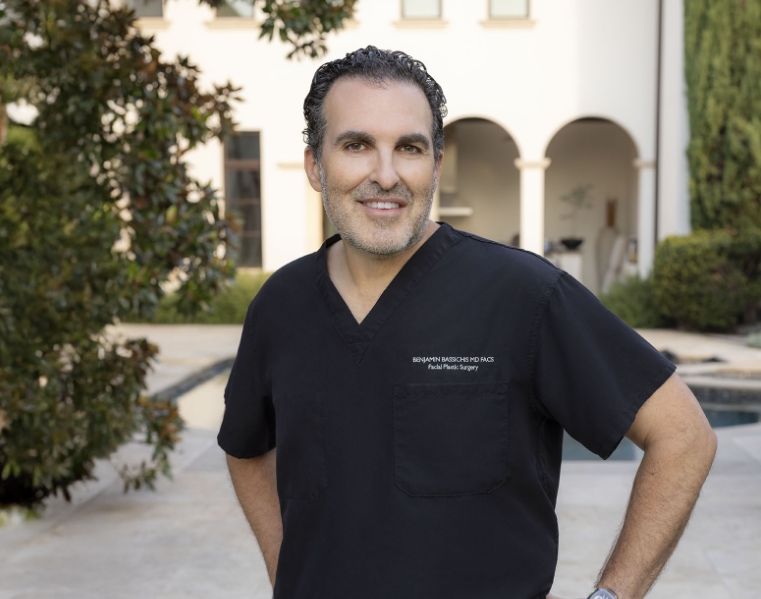
At Advanced Facial Plastic Surgery Center in Dallas, Texas, Dr. Benjamin Bassichis encourages patients to take an active role in this conversation. As a double board-certified facial plastic surgeon whose practice focuses on the face, head, and neck, Dr. Bassichis believes patients deserve clear explanations and realistic expectations before moving forward with surgery.
In his words, your consultation is your opportunity to interview the surgeon, not just the other way around.
If you’re preparing for your first appointment, these 10 questions can help you understand what to ask a plastic surgeon, what to look for in their answers, and how to evaluate your options.
1. What Exactly Are You Board-Certified In?
One of the first questions to ask any prospective plastic surgeon is about their board certification.
The term board-certified is frequently used in cosmetic surgery marketing, but it’s important to understand which medical board granted the certification and whether that specialty relates to your desired procedure.
Different surgical specialties involve different areas of training and expertise. A surgeon’s qualifications should align with the specific operation you’re considering.
Dr. Benjamin Bassichis holds two board certifications:
- American Board of Facial Plastic and Reconstructive Surgery
- American Board of Otolaryngology–Head and Neck Surgery
His professional focus is on plastic and reconstructive procedures involving the face, head, and neck, including facelift surgery, deep plane facelifts, rhinoplasty, and eyelid surgery.
When evaluating a surgeon, ask which boards certify them, what their training involved, and how their qualifications relate to your procedure. You can also independently verify board certification through the relevant certifying organization.
For patients considering facial rejuvenation, understanding a surgeon’s specialized training is an important starting point.
2. How Often Do You Perform the Procedure I’m Considering?
A surgeon’s experience with your specific procedure matters.
Rather than asking only how many years a surgeon has practiced, ask how frequently they perform the operation you’re considering.
For example, someone researching facelift surgery in Dallas may want to know how regularly the surgeon performs facelifts, which techniques they use, and whether they routinely treat patients with similar concerns.
Dr. Bassichis emphasizes the importance of repetition in developing surgical judgment. Performing a procedure regularly provides opportunities to evaluate different anatomies, refine technical skills, and navigate the decisions involved in surgical planning.
Consider asking:
- How many times do you typically perform this procedure in a month?
- How frequently do you treat patients with concerns similar to mine?
- What techniques do you commonly use?
- What factors make a particular case more complex?
An experienced surgeon should be comfortable discussing their relevant procedural experience without relying on vague claims.
Why this matters: Board certification establishes important professional qualifications, but procedure-specific experience provides additional insight into a surgeon’s familiarity with the operation you’re considering.
3. Can I See Before-and-After Photos of Patients Similar to Me?
Before-and-after photographs can help you understand a surgeon’s aesthetic approach and the range of results achieved in previous patients.
However, reviewing photographs effectively requires looking beyond the most dramatic transformations.
Dr. Bassichis recommends paying attention to patients who share characteristics with you, including age, facial anatomy, and the concerns they wanted to address.
For example, if you’re considering a facelift to improve jowling and neck laxity, photographs of patients who began with similar facial aging patterns may be more informative than images of individuals with entirely different concerns.
When reviewing photographs, consider:
- Similar anatomy: Does the patient have facial features or aging patterns comparable to yours?
- Natural-looking results: Does the patient’s appearance remain recognizable and balanced?
- Consistency: Do the photographs show a range of results rather than only a few selected examples?
- Photography conditions: Are lighting, positioning, facial expression, and image quality reasonably consistent?
- Healing time: How long after surgery were the postoperative photographs taken?
Dr. Bassichis believes successful facial rejuvenation should respect the patient’s natural features rather than create an obviously altered appearance.
Remember that photographs demonstrate individual outcomes, not guarantees of what surgery will accomplish for you.
4. Which Surgical Technique Do You Recommend for Me, and Why?
No two patients have identical facial anatomy, aesthetic goals, or medical considerations.
That’s why one of the most valuable plastic surgery consultation questions concerns the reasoning behind a surgeon’s recommendation.
A qualified surgeon should explain not only what procedure they suggest, but also why they believe it is appropriate for your individual concerns.
Understanding Your Facelift Options
For patients considering facial rejuvenation, the discussion may involve different facelift approaches.
A deep plane facelift involves repositioning deeper facial tissues and releasing selected supporting structures to address changes associated with facial aging.
Other facelift techniques may address facial support structures through different surgical approaches, while more limited procedures may be suitable for patients with less extensive concerns.
A skin-only lift primarily tightens the skin and differs from techniques that address deeper tissues. Understanding these distinctions helps patients evaluate what each approach is intended to accomplish.
During a facelift consultation, consider asking:
- What changes in my facial anatomy are contributing to my concerns?
- Why do you recommend this technique instead of another?
- What areas of my face and neck will the procedure address?
- What limitations should I understand?
- Are there alternative treatments worth considering?
Dr. Bassichis emphasizes that the procedure should be selected based on the patient’s anatomy rather than applying the same surgical approach to everyone.
The goal of this conversation is to understand how the recommended treatment addresses your specific needs, not simply to choose the procedure with the most recognizable name.
5. What Is Your Process From Consultation Through Recovery?
Understanding a surgeon’s treatment process can reveal a great deal about how they approach patient care.
Your experience involves more than the day of surgery. It includes your initial evaluation, treatment planning, preoperative preparation, the procedure itself, and recovery.
At Advanced Facial Plastic Surgery Center, Dr. Bassichis follows a personalized planning framework known as the Dr. Bassichis Method.
The Four Steps of the Dr. Bassichis Method
- Listen: Understand the patient’s goals, concerns, expectations, and reasons for considering surgery.
- Evaluate: Assess the patient’s individual facial anatomy and identify the areas that may benefit from treatment.
- Plan: Develop a personalized surgical approach through a collaborative discussion with the patient.
- Perform: Carry out the selected procedure with attention to surgical safety, effectiveness, and the established treatment plan.
This framework places the patient’s anatomy and goals at the center of the decision-making process.
Rather than starting with a predetermined procedure, Dr. Bassichis begins by understanding what the patient hopes to achieve.
You can learn more about this individualized philosophy in The Dr. Bassichis Method.
Regardless of which surgeon you consult, ask them to explain their process from the first appointment through postoperative follow-up.
A clearly defined approach can help you understand what to expect, which decisions you’ll participate in, and how your care will be coordinated.
6. Where Will My Surgery Take Place, and Who Will Handle Anesthesia?
Patient safety should be a central part of every plastic surgery consultation.
Before scheduling a procedure, ask where the surgery will be performed, whether the facility holds appropriate accreditation, and who will be responsible for administering and monitoring anesthesia.
Depending on the procedure and medical circumstances, surgery may take place in a hospital, an accredited ambulatory surgery center, or another appropriately equipped surgical facility.
Important questions include:
- Is the surgical facility accredited, and by which organization?
- Who administers and monitors anesthesia?
- What are the anesthesia provider’s qualifications?
- How will my medical history and medications be reviewed before surgery?
- What emergency procedures and transfer arrangements are in place?
- What complications should I understand before making a decision?
The appropriate anesthesia plan depends on the procedure, the patient’s medical history, and other individualized factors.
At Advanced Facial Plastic Surgery Center, facelift procedures may be performed under general anesthesia or IV sedation at the practice’s accredited on-site surgical center, according to the individual treatment plan.
Patients should feel comfortable discussing anesthesia, potential complications, and safety protocols without hesitation.
A thorough consultation should address both the potential aesthetic benefits of surgery and the medical considerations involved.
7. What Does Recovery Really Look Like?
Recovery is one of the most important practical considerations when planning facial plastic surgery.
Patients often want to know how quickly they’ll return to work, resume exercise, attend social events, or feel comfortable being photographed.
However, recovery isn’t identical for every patient.
The procedure performed, extent of surgery, individual healing response, and overall health can all influence the recovery experience.
Questions to Ask About Facelift Recovery
If you’re considering a facelift in Dallas, discuss:
- How much swelling and bruising should I anticipate?
- When can I reasonably expect to return to work?
- How long should I avoid strenuous exercise?
- Will I need someone to assist me during the first several days?
- What symptoms are expected, and which require immediate medical attention?
- When will I begin to see changes as the swelling resolves?
- How long might it take for the results to settle?
Following facelift surgery, swelling and bruising are common, particularly during the early recovery period. Many patients gradually resume routine activities over the following weeks, although recovery timelines vary.
Some changes, including residual swelling, incision maturation, and tissue settling, can continue for months.
Dr. Bassichis encourages patients to approach recovery with realistic expectations rather than focusing on a single date when they expect to look completely healed.
If you’re planning surgery around a wedding, vacation, professional commitment, or another major event, discuss your timeline early.
For patients traveling to Dallas from outside the area, recovery planning should also address lodging, transportation, postoperative appointments, and when traveling home may be appropriate.
8. What Happens After Surgery, and How Long Will You Follow My Recovery?
Postoperative care is an essential part of the surgical experience.
While many patients concentrate on choosing a procedure and preparing for surgery, understanding the surgeon’s follow-up process is equally important.
Ask how often you’ll be evaluated after surgery, who will respond to concerns, and how long the practice remains involved in monitoring your recovery.
The Importance of Long-Term Facelift Follow-Up
At Advanced Facial Plastic Surgery Center, Dr. Bassichis follows facelift patients through a structured 12-month postoperative program.
This longer-term approach recognizes that facelift results continue to evolve as tissues heal and settle.
Postoperative appointments provide opportunities to evaluate progress, address concerns, and offer guidance throughout different stages of recovery.
When comparing surgeons, consider asking:
- How many follow-up appointments are included?
- Will I see the operating surgeon during recovery?
- Who should I contact if I experience a complication?
- How are unexpected concerns handled after regular office hours?
- Does follow-up care continue beyond the initial healing period?
- What arrangements are available for out-of-town patients?
A defined follow-up process gives patients a clearer understanding of the support available after surgery.
For Dr. Bassichis, surgical care extends beyond the procedure itself and includes continued involvement during the recovery process.
9. What Is the Total Cost of Surgery, and What Does It Include?
Cost is an important consideration when evaluating cosmetic surgery, but a quoted price doesn’t always represent the entire expense.
During your consultation, ask for a detailed written estimate explaining the full anticipated cost of your procedure.
Depending on the surgery and practice, expenses may include:
- Surgeon fees
- Surgical facility fees
- Anesthesia fees
- Preoperative testing or medical clearances
- Prescription medications and recovery supplies
- Postoperative appointments and related care
- Potential additional costs associated with unexpected circumstances
Dr. Bassichis emphasizes price transparency so patients can understand the financial commitment before scheduling surgery.
When comparing estimates, evaluate what’s included rather than looking only at the bottom-line price.
A lower initial quote may exclude services that another practice includes in its surgical package.
It’s also important to ask how additional expenses would be handled if complications require treatment or if a revision procedure is considered.
The purpose of discussing cost is to make an informed decision with a clear understanding of both the treatment plan and its financial requirements.
10. Should I Combine Any Other Procedures With My Surgery?
Some patients may benefit from combining facial rejuvenation procedures to address multiple concerns within a coordinated surgical plan.
Others may achieve their goals with a single procedure.
The important question is whether an additional treatment serves a meaningful purpose for your individual anatomy and goals.
Combining a Facelift With Other Facial Procedures
For example, a facelift primarily addresses age-related changes in the lower face and, depending on the technique, the neck.
However, it does not directly correct every sign of facial aging.
A patient concerned about both jowling and excess upper eyelid skin may want to discuss whether eyelid surgery would complement a facelift.
Similarly, a patient concerned about the position of their eyebrows may benefit from an evaluation of whether brow lift surgery is appropriate.
Dr. Bassichis approaches these decisions by considering facial balance rather than automatically recommending multiple procedures.
During your consultation, ask:
- Would another procedure meaningfully improve my overall treatment plan?
- What would the additional procedure address?
- Can the procedures be safely combined in my situation?
- How would combining procedures affect recovery and cost?
- Would it be reasonable to perform the procedures separately?
Combining procedures can also increase surgical complexity, time under anesthesia, and recovery considerations. Your surgeon should explain the potential benefits, limitations, and risks.
Patients should never feel pressured to add treatments they don’t understand or want.
Beyond the Questions: How Do You Know You’ve Found the Right Plastic Surgeon?
Technical qualifications, experience, and surgical planning are essential, but the consultation experience itself also matters.
When choosing a plastic surgeon, pay attention to how the surgeon communicates.
Did they listen carefully to your concerns? Did they explain their recommendations in language you could understand? Were they willing to discuss limitations, risks, and alternatives?
A productive consultation should be a two-way conversation.
You should leave with a clearer understanding of your treatment options, realistic expectations, and enough information to decide whether moving forward feels right for you.
Choosing a Facial Plastic Surgeon in Dallas
Patients exploring facial rejuvenation in the Dallas-Fort Worth area have several factors to consider when comparing surgeons.
In addition to relevant board certification and procedure-specific experience, consider the surgeon’s professional background, aesthetic approach, previous patient results, safety practices, and postoperative care.
Dr. Benjamin Bassichis is a double board-certified facial plastic surgeon at Advanced Facial Plastic Surgery Center in Dallas. His practice focuses on the face, head, and neck, with procedures including traditional and deep plane facelift surgery.
He has also been recognized among D Magazine’s Best Doctors in Dallas for more than 15 years and inducted into the publication’s Hall of Fame in recognition of his continued achievement.
These credentials and professional distinctions provide useful context for patients researching his qualifications, but they should be considered alongside an individualized consultation and evaluation of his surgical approach.
Learn more about Dr. Benjamin Bassichis’s background and qualifications.
Ultimately, the right surgeon for you is someone whose qualifications match your procedure, whose recommendations are medically appropriate, and whose communication helps you make an informed decision.
Frequently Asked Questions About Plastic Surgery Consultations
What questions should I ask at my first plastic surgery consultation?
Start by asking about the surgeon’s board certification, experience with your procedure, recommended surgical technique, expected recovery, potential risks, anesthesia, postoperative care, and total cost. You should also request before-and-after photographs of patients with concerns similar to yours and ask whether alternative treatments may be appropriate.
How do I choose a qualified plastic surgeon in Dallas?
When choosing a plastic surgeon in Dallas, verify their board certification, review their training and procedure-specific experience, and ask about facility accreditation and safety protocols. Before-and-after photographs, clear communication, realistic expectations, and a defined postoperative care plan can also help you evaluate whether a surgeon is appropriate for your needs.
Is Dr. Benjamin Bassichis board-certified?
Yes. Dr. Benjamin Bassichis is double board-certified by the American Board of Facial Plastic and Reconstructive Surgery and the American Board of Otolaryngology–Head and Neck Surgery. His Dallas practice focuses on facial plastic surgery and procedures involving the face, head, and neck.
Does Dr. Benjamin Bassichis perform facelift and deep plane facelift surgery in Dallas?
Yes. Dr. Benjamin Bassichis performs facelift and facial rejuvenation procedures in Dallas, including deep plane facelift surgery. His recommendations are based on the patient’s individual anatomy, degree of facial aging, aesthetic goals, and medical considerations. A consultation helps determine which approach may be most appropriate.
Are consultations at Advanced Facial Plastic Surgery Center complimentary?
Yes. Advanced Facial Plastic Surgery Center offers complimentary consultations with Dr. Benjamin Bassichis in Dallas. The appointment provides an opportunity to discuss your goals, receive an individualized assessment, explore potential treatment options, and ask questions before deciding whether to proceed with surgery.
Should I bring photographs or a written list of questions to my consultation?
Yes. Bringing a written list of questions can help ensure you address your most important concerns. Reference photographs may also help communicate your aesthetic preferences, although they should serve as discussion tools rather than exact surgical goals. Your surgeon can explain what’s realistically achievable based on your anatomy.
Do I have to schedule surgery after my consultation?
No. A consultation is an opportunity to gather information, discuss options, and evaluate whether surgery is right for you. You should feel comfortable taking time to consider your surgeon’s recommendations, reviewing the proposed treatment plan, or seeking a second opinion before making a decision.
Schedule Your Complimentary Plastic Surgery Consultation in Dallas
The most valuable plastic surgery consultation questions help you understand more than the procedure itself. They reveal how a surgeon thinks, plans, communicates, and supports patients throughout treatment and recovery.
From verifying board certification and evaluating before-and-after photographs to discussing recovery expectations and long-term follow-up, asking the right questions can help you approach your decision with greater confidence.
At Advanced Facial Plastic Surgery Center, Dr. Benjamin Bassichis provides individualized facial plastic surgery consultations for patients in Dallas, Highland Park, Plano, Frisco, Southlake, and throughout the Dallas-Fort Worth area, as well as those traveling from other locations.
Whether you’re considering a facelift, deep plane facelift, eyelid surgery, rhinoplasty, or another facial rejuvenation procedure, Dr. Bassichis welcomes the opportunity to discuss your concerns and explain your options.
Schedule your complimentary consultation at Advanced Facial Plastic Surgery Center in Dallas, and bring your questions. An informed decision begins with an open conversation.